F208 to Landmannalaugar
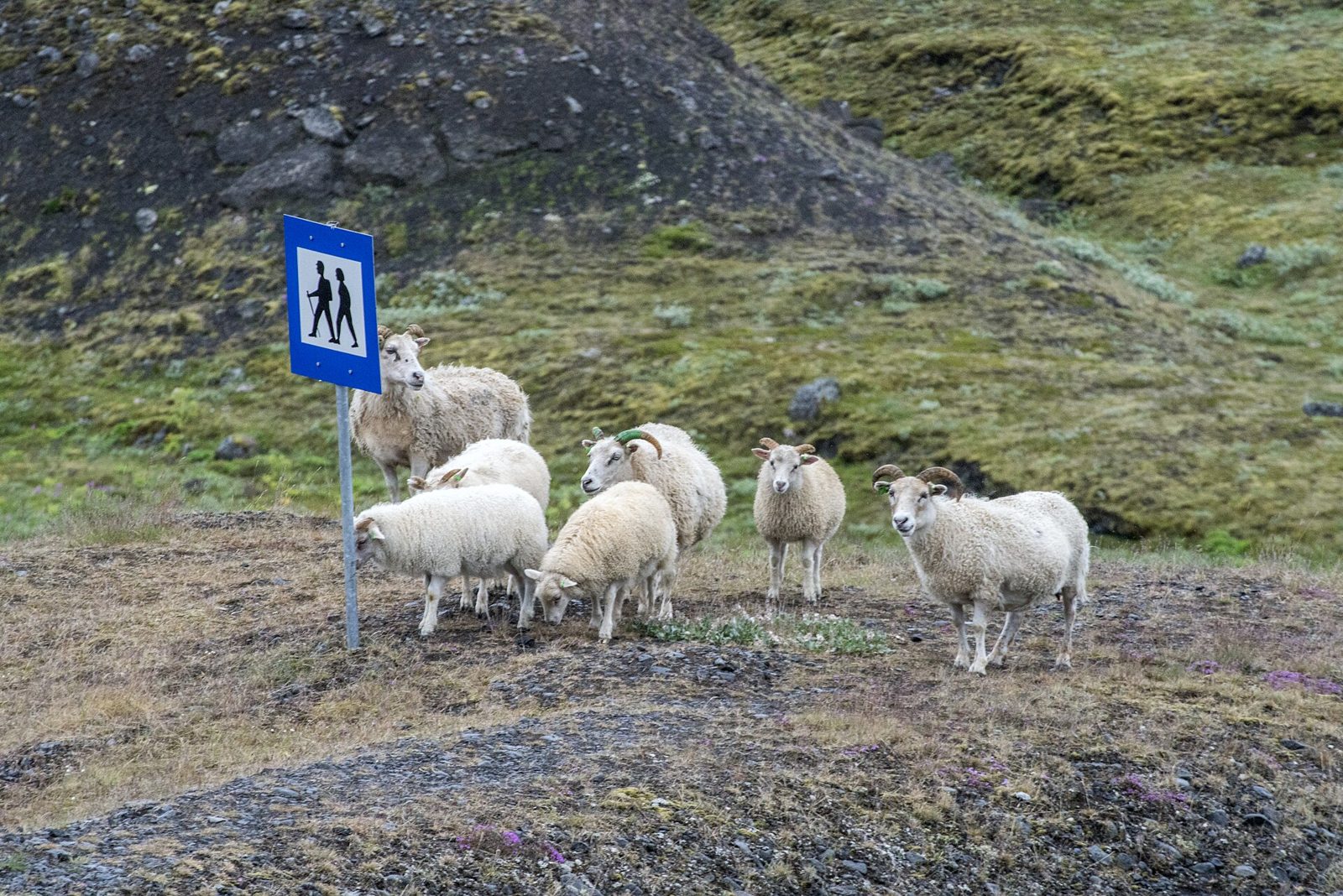
F208, Fjallabaksleið Nyrðri, is the road most travellers use to reach Landmannalaugar - and it is really two different roads. The northern approach has no river crossings and suits any 4×4, while the southern section from the Ring Road near Kirkjubæjarklaustur is a genuine F-road with several fords and some of the most striking scenery in Iceland. Knowing which half you are driving is the difference between an easy trip and an expensive one.
The Northern Route: No Fords
From the west, follow Route 26 past Hrauneyjar and the Sigalda area onto road 208, then F224 for the final stretch to Landmannalaugar. The northern part was reclassified from F208 to plain road 208 some years ago and has no river crossings - about 30 km of bumpy, potholed gravel that any 4×4 handles comfortably. Note that some map apps still label it F208. It usually opens earlier in June than the southern section and is the sensible choice for anyone who wants Landmannalaugar without fording rivers.
The Final Fords On F224
Whichever way you arrive, the two deepest crossings of the northern approach sit on F224, immediately before the Landmannalaugar campsite. They are short but can run deep enough to swamp a small 4×4. There is a parking area before them and a footbridge to the campsite - a ten-minute walk. If the water looks high, park and walk; plenty of experienced drivers do exactly that. Waiting to watch another car cross first is easy here, as traffic is steady in summer.
The Southern Route: F208 From Skaftártunga
F208 South leaves the Ring Road via Route 208 through Skaftártunga - about 20 minutes west of Kirkjubæjarklaustur, and well over an hour east of Vík - and runs some 55 km up past Eldgjá to Landmannalaugar. It is the route you drive for the landscape as much as the destination. The surface is rough gravel with no steep or technical sections; the challenge is the fords. The first serious one comes just after the Hólaskjól highland centre, typically 40–60 cm deep in average summer conditions, with more crossings between there and the campsite. A ranger is often stationed at Hólaskjól during the day and can advise on water levels. Match your vehicle's wading depth to real conditions: a stock Dacia Duster is rated to roughly 35 cm, below this ford on an average day, so a larger 4×4 like a Hilux or Land Cruiser is the sensible minimum. Read our river crossing guide before attempting it.
When F208 Opens
Vegagerðin opens F208 after inspection, and the two halves clear at different times. Across 2021 to 2025 the northern section, Sigalda to Landmannalaugar, opened between 23 May and 23 June (median 12 June), while the southern section, Landmannalaugar to Eldgjá, opened between 16 June and 6 July (median 25 June). Every date is in our F-road opening dates dataset. Even after opening, river levels vary daily with rain and glacial melt. Check umferdin.is on the morning of your drive - a green road status confirms the road is open, not that the rivers are low.
Detours Worth Planning For
Two side roads off F208 South rank among the highlands' best: F223 to the Eldgjá volcanic canyon, an easy detour with a waterfall walk, and F235 to Langisjór, a remote lake of improbable colour reached over roughly ten small fords. Both add hours you will not regret. At Landmannalaugar itself, the natural hot spring beside the campsite is the classic way to end the drive - see our Landmannalaugar hot spring factsheet.
Related Guides
Start with the F-roads overview for the legal 4×4 requirement and insurance rules, learn the technique in the river crossings guide, and choose a suitable vehicle with the car rental guide. For the far harder road to Þórsmörk, see F249.
Frequently Asked Questions
What Is The Easiest Way To Drive To Landmannalaugar?
Take the northern approach: Route 26 past Hrauneyjar, then road 208 and F224 from the Sigalda area. Road 208 north of Landmannalaugar has been reclassified and has no river crossings. Only the final fords on F224, just before the campsite, remain - and you can park before them and walk the last ten minutes across a footbridge instead.
How Difficult Is F208 South?
F208 South is a moderate F-road: around 55 km of rough gravel with several small-to-medium river crossings and no technically difficult terrain. The first serious ford comes just after Hólaskjól hut, typically 40–60 cm deep in average summer conditions. That depth matters when choosing a car: a stock Dacia Duster has an official wading depth of about 35 cm, so it only works in low water. A larger 4×4 such as a Hilux or Land Cruiser is the safer choice.
When Does F208 Open For The Summer?
F208 opens when Vegagerðin inspects and clears it, and the two halves open on different schedules. Across 2021 to 2025, the northern section from Sigalda to Landmannalaugar opened between 23 May and 23 June, with a median of 12 June. The southern section from Landmannalaugar to Eldgjá opened between 16 June and 6 July, median 25 June. So the north is usually passable two weeks before the south. Never plan around an assumed date - check umferdin.is for current status.
Can You Avoid The River Crossings At Landmannalaugar?
Mostly, yes. The two deepest fords of the whole approach are on F224, immediately before the Landmannalaugar campsite. There is a parking area before them, and a footbridge takes you to the campsite in about ten minutes on foot. Many drivers, including experienced ones, park there rather than risk the crossings - there is no shame in it.
What Is There To See Along F208 South?
F208 South is widely considered one of Iceland’s most scenic drives: black-sand deserts, mossy lava fields and rhyolite mountains that change every few kilometres. Worthwhile detours include Eldgjá canyon via F223 and Langisjór lake via F235, and the route ends at Landmannalaugar with its hikes and natural hot-spring bathing.
Sources
Route status and opening dates from the Icelandic Road and Coastal Administration (Vegagerðin) via umferdin.is; safety guidance from SafeTravel Iceland; hut information from Ferðafélag Íslands. Opening dates and ford depths change every season - confirm current conditions before driving.
Last updated: 2026-08-02 · Reviewed against official sources.