Driving in Iceland
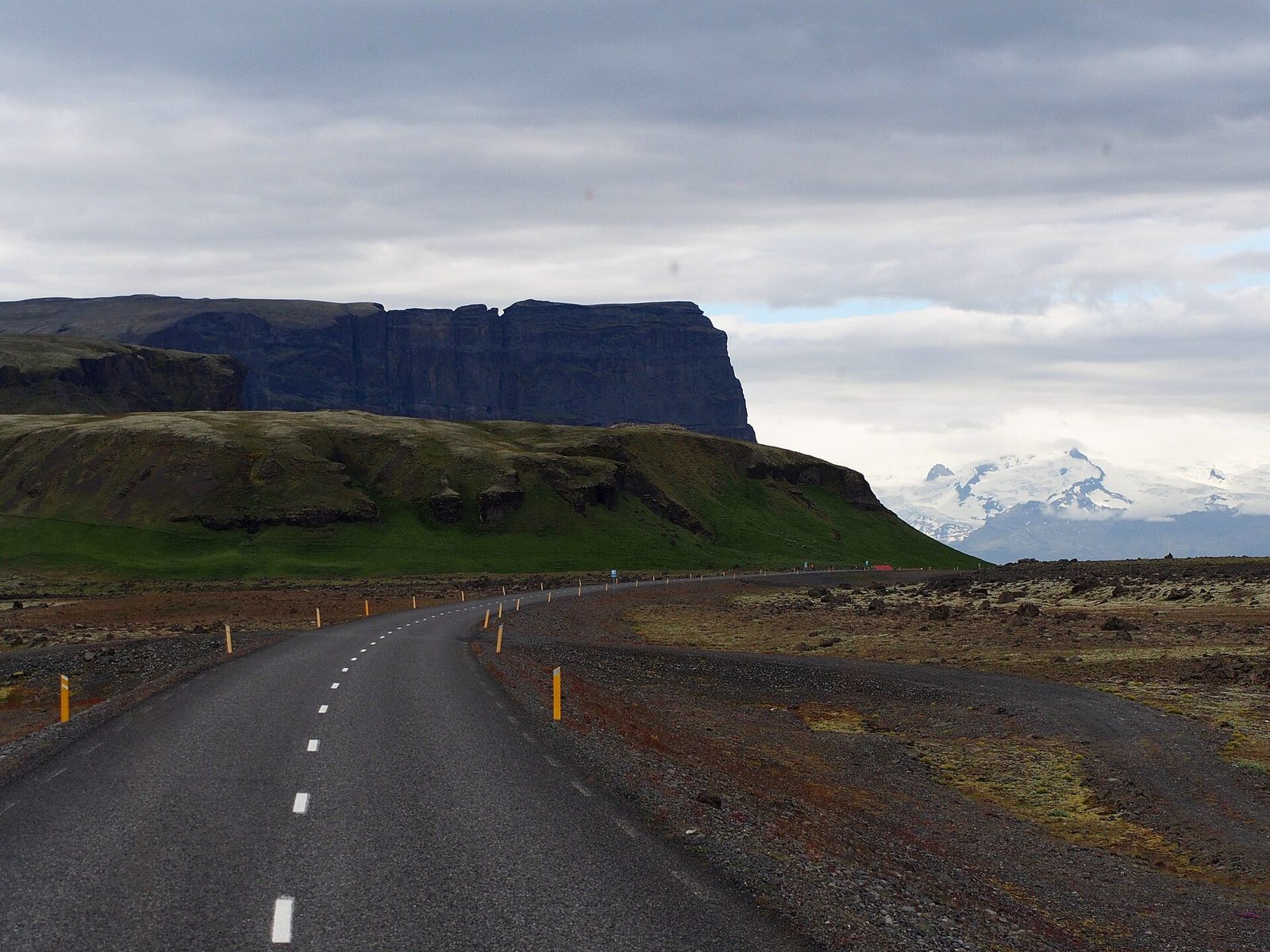
Driving is the most flexible way to see Iceland, and the main roads are straightforward once you know the rules. You drive on the right, keep headlights on at all times, and obey limits of 50, 80 and 90 km/h. The Ring Road circles the island in 1,309.70 km, while the highland F-roads need a 4×4 and open only in summer. This guide covers the rules, roads, seasons and safety.
Key Road Rules At A Glance
| Rule | What to know |
|---|---|
| Speed limits | 50 km/h in towns, 80 km/h on gravel, 90 km/h on paved rural roads. |
| Headlights | Must be on day and night, all year, by law. |
| Seatbelts | Mandatory for all occupants, front and back. |
| Alcohol | Effectively zero: 0.02% BAC threshold since 2020 (penalties from 0.05%). Do not drink and drive. |
| Off-road | Illegal anywhere; stay on marked roads and tracks. |
| Phones | Handheld phone use while driving is prohibited. |
| F-roads | A 4×4 is required by every rental contract, not by a traffic law - and a 2WD there voids your cover entirely. |
Detailed Driving Guides
- Driving the Ring Road (Route 1) - Iceland's main loop: length, how many days, direction and seasons.
- Rules of the Road - Speed limits, the 0.02% alcohol threshold, roundabout and bridge conventions, fines.
- F-Roads & The Highlands - 4WD-only mountain roads, opening dates and river crossings.
- F-Road Opening Dates (2021–2025 data) - Every recorded opening date per highland road, with earliest, latest and median.
- River Crossings - How to ford highland rivers safely - and why insurance never covers them.
- F208 to Landmannalaugar - The ford-free northern route, the scenic southern F-road, and opening dates.
- F249 to Þórsmörk - Iceland’s most notorious F-road: Krossá, rental bans and safe alternatives.
- Kjölur (Road 35) - Not an F-road in the register, yet nine rental firms ban 2WD cars on it.
- F26 Sprengisandur - The long crossing: 235 km between fuel stops, and the Hagakvíslar ford.
- Winter Driving in Iceland - Tyres, conditions, daylight and staying safe Nov–Apr.
- Renting a Car in Iceland - Vehicle choice, insurance and the gravel-protection trap.
- Car Rental Insurance Explained - CDW, SCDW, gravel, sand and ash and zero-excess waivers, with real excess figures.
- The Kilometre Road Charge - Every kilometre is charged since January 2026 - rates, what rentals add, and the flat day rate.
- Driving an Electric Car in Iceland - Charging networks, which take a bank card, costs, winter range and the EV F-road bans.
- Road Conditions & Safety - How to check live conditions and drive the hazards safely.
Choosing between hire companies is a comparison rather than a driving guide, so it lives in comparison guides: see car rental companies compared for ten operators set against their own published contracts.
Types Of Road In Iceland
Iceland has three broad road types. Paved roads, including most of the Ring Road, allow up to 90 km/h and suit any car in summer. Gravel roads, more than 40% of the network, demand lower speeds and care on loose surfaces. Highland F-roads are rough mountain tracks, legally restricted to 4×4 vehicles and often involving unbridged river crossings. Choose your vehicle to match the roads you plan to drive.
Driving By Season
Summer, roughly June to August, offers long daylight, open highlands and the easiest conditions for the Ring Road and F-roads. Winter, from about November to March, brings ice, snow, storms and very short days, so a 4×4 with winter tyres and constant condition checks are essential. Spring and autumn sit between the two, with rapidly changing weather and some highland routes still closed.
Before You Drive: Check Conditions
Conditions in Iceland change fast, so check official sources before every journey. Use umferdin.is for live road status and closures, vedur.is for weather and wind warnings, and safetravel.is for travel alerts. Download the 112 Iceland app for emergencies, and dial 112 for help. Our road conditions guide explains each tool in detail.
Frequently Asked Questions
Which Side Of The Road Do You Drive On In Iceland?
You drive on the right-hand side of the road in Iceland, and overtake on the left, as in mainland Europe and North America. The steering wheel is on the left in Icelandic cars. Visitors from the UK, Ireland or other drive-on-the-left countries should take extra care at junctions and roundabouts until the change feels natural.
What Are The Speed Limits In Iceland?
The general limits are 50 km/h in built-up areas, 80 km/h on gravel roads, and 90 km/h on paved rural roads, including most of the Ring Road. Limits are lower near schools, towns and hazards, and are actively enforced by speed cameras and police. Always slow down for gravel, blind hills and single-lane bridges.
Do You Need A 4x4 To Drive In Iceland?
Not for the Ring Road and most coastal sights, where a two-wheel-drive car is fine in summer. You do need a 4×4 for the highland F-roads: every Icelandic rental contract requires one there, and taking a 2WD onto an F-road voids your damage cover and leaves you liable for the car. This is contractual rather than a traffic law, but the financial consequence is larger than any fine. In winter, a 4×4 adds useful traction and security even on main roads. Match the car to your planned route.
Is It Hard To Drive In Iceland?
Main roads are straightforward, but Iceland has specific hazards: sudden weather, strong winds, loose gravel, single-lane bridges, blind hills and free-roaming sheep. Distances are long and services sparse outside towns. With sensible speeds, headlights on, and daily checks of road and weather conditions, most visitors drive confidently, especially in summer.
When Should You Avoid Driving In Iceland?
Avoid driving in storms, high winds and winter whiteouts, when roads can close at short notice. Highland F-roads are off-limits outside the summer season. Check umferdin.is and vedur.is before every journey, and if a road is marked closed or conditions are severe, postpone. No sight in Iceland is worth driving into dangerous weather.
Related Guides
Once you are on the road, our hot springs guide shows where to bathe along the way, from roadside pools to highland springs reachable only by F-road. For how we research, verify and date every figure on this site, see our editorial & fact-checking policy, and always check the date on a page before you travel, as rules and conditions change.
Sources
Facts on this page were checked against official sources, including the Icelandic Road and Coastal Administration (umferdin.is), the Icelandic Met Office and SafeTravel Iceland. Rules, limits and seasonal access change; confirm current details on official sites before driving.
Last updated: 2026-08-02 · Reviewed against official sources.