Iceland F-Road Opening Dates
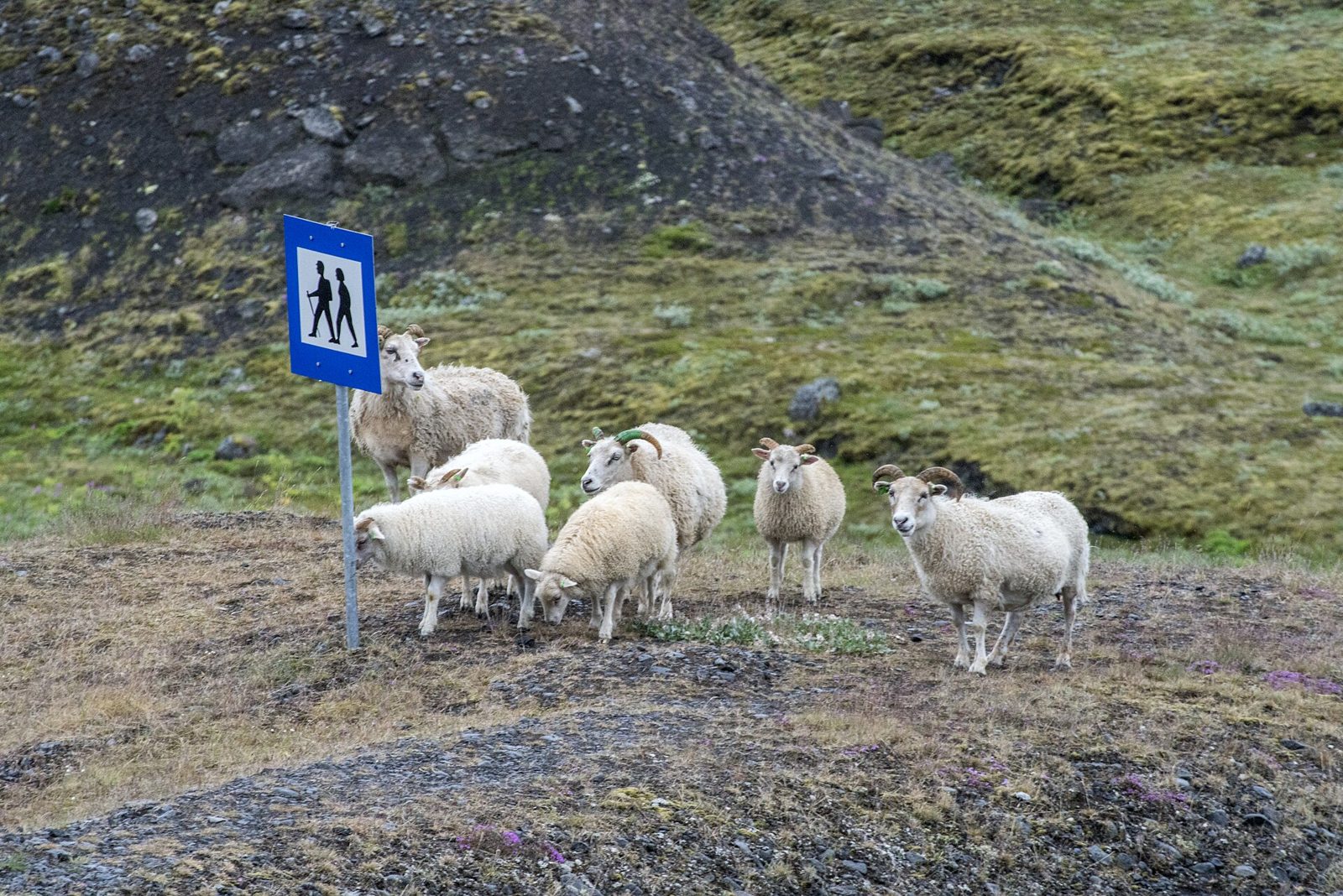
Iceland's highland roads open by inspection, not by calendar - which makes "when do the F-roads open?" one of the hardest questions in trip planning. This page collects every opening date Vegagerðin has recorded for the main highland routes from 2021 to 2025, road section by road section, so you can plan against real history instead of a vague "late June". The short answer: between 23 May and 15 July, depending on where you are going and what kind of winter preceded it.
Opening Dates By Road, 2021–2025
| Road section | 2021 | 2022 | 2023 | 2024 | 2025 | Earliest | Latest | Median |
|---|---|---|---|---|---|---|---|---|
| F206 Lakagígar | 25 Jun | 1 Jul | 12 Jun | 18 Jun | 12 Jun | 12 Jun | 1 Jul | 18 Jun |
| F208 (north) Sigalda–Landmannalaugar | 12 Jun | 23 Jun | 1 Jun | 12 Jun | 23 May | 23 May | 23 Jun | 12 Jun |
| F208 (south) Landmannalaugar–Eldgjá | 1 Jul | 6 Jul | 16 Jun | 25 Jun | 19 Jun | 16 Jun | 6 Jul | 25 Jun |
| F208 (south) Eldgjá–Skaftártunga | 10 Jun | 26 Jun | 1 Jun | 10 Jun | 19 Jun | 1 Jun | 26 Jun | 10 Jun |
| F210 Keldur–Hvanngil | 9 Jul | 15 Jul | 23 Jun | 4 Jul | 14 Jul | 23 Jun | 15 Jul | 9 Jul |
| F210 Hvanngil–Skaftártunga | 6 Jul | 5 Jul | 23 Jun | 26 Jun | 25 Jun | 23 Jun | 6 Jul | 26 Jun |
| F225 Landmannaleið (Dómadalur) | 18 Jun | 24 Jun | 9 Jun | 18 Jun | 11 Jun | 9 Jun | 24 Jun | 18 Jun |
| F261 Emstruleið | 6 Jul | 15 Jul | 23 Jun | 26 Jun | 14 Jul | 23 Jun | 15 Jul | 6 Jul |
| 35 Kjölur: Gullfoss–Hveravellir | 11 Jun | 10 Jun | 1 Jun | 14 Jun | 30 May | 30 May | 14 Jun | 10 Jun |
| 35 Kjölur: Hveravellir–Blönduvirkjun | 9 Jun | 8 Jun | 1 Jun | 14 Jun | 26 May | 26 May | 14 Jun | 8 Jun |
| F26 Sprengisandur: Hrauneyjar–Nýidalur | 9 Jul | 13 Jul | 21 Jun | 13 Jul | 3 Jul | 21 Jun | 13 Jul | 9 Jul |
| F26 Sprengisandur: Nýidalur–Bárðardalur | 9 Jul | 13 Jul | 21 Jun | 10 Jul | 3 Jul | 21 Jun | 13 Jul | 9 Jul |
| F752 Skagafjarðarleið | 9 Jul | 13 Jul | 21 Jun | 9 Jul | 30 Jun | 21 Jun | 13 Jul | 9 Jul |
| F821 Eyjafjarðarleið | 15 Jul | 13 Jul | 23 Jun | 11 Jul | 3 Jul | 23 Jun | 15 Jul | 11 Jul |
Per-year dates are as published by Vegagerðin. Earliest, latest and median are calculated by Iceland Travel Information from those five years - see the methodology note below for why we do not reproduce the official summary columns. Download this table as CSV - free to reuse with attribution.
What The Data Shows
Three patterns stand out. First, geography beats calendar: routes at the edge of the highlands open weeks before interior crossings. Kjölur (route 35) has a median opening of 8–10 June, while F26 Sprengisandur - straight through the middle of the country - sits at 9 July, a month later. Second, the year matters as much as the road: 2023 was early almost everywhere (most roads opened in the first three weeks of June), while 2022 was consistently the latest season in the dataset. Third, the planning window is wide: every road varies by at least 13 days between its earliest and latest recorded opening, and F208 north varies by 31.
A practical rule follows from that: if your trip depends on a specific highland road, plan for the median date at the earliest, and have a fallback for the week either side. Booking a Landmannalaugar night for 5 June is a gamble - the northern approach has opened that early once in five years.
Methodology And A Note On The Official Figures
Vegagerðin publishes both per-year opening dates and summary columns (earliest, latest, average). In two places those disagree with the per-year data in the same row: for Eldgjá–Skaftártunga the official earliest reads 10 June although 2023 is listed as 1 June, and the average reads 13 May, which is earlier than every year in the row; for Hveravellir–Blönduvirkjun the official earliest reads 1 June although 2025 is listed as 26 May. Rather than reproduce figures we cannot reconcile, we publish the per-year dates exactly as recorded and compute earliest, latest and median from them. We use the median rather than the mean because a single extreme season skews a five-point average.
Dates are the day each section was opened to traffic. Where a route is split into sections, Vegagerðin records them separately and so do we - a road is only useful to you end to end.
This Season's Status
Historical data tells you when to plan; only the live map tells you what is open today. Vegagerðin announces openings on umferdin.is (also umferdin.is and trafficinfo.is - the same source), and publishes a mountain-road conditions map through spring and early summer. Check it on the morning you drive: a road marked open does not mean its rivers are low. We refresh this page after each season closes, adding the new year to the table.
Related Guides
For what F-roads are, the legal 4×4 requirement and insurance rules, see the F-roads guide. Route-level detail lives on F208 to Landmannalaugar and F249 to Þórsmörk, technique in the river crossings guide, and the seasonal picture in when to visit Iceland.
Frequently Asked Questions
When Do Iceland's F-Roads Open?
Between late May and mid-July, depending on the road and the year. Across 2021–2025, the earliest recorded opening of any highland road was 23 May (F208 north to Landmannalaugar, in 2025) and the latest was 15 July. Easier routes near the edges of the highlands - Kjölur (35) and the northern approach to Landmannalaugar - typically open in the first half of June, while deep-interior routes such as F26 Sprengisandur and F210 Fjallabaksleið syðri usually open in early July.
Can You Predict When A Specific F-Road Will Open?
Only within a window. Each road in this dataset has a spread of 13 to 31 days between its earliest and latest recorded opening, driven by snow depth, spring temperatures and river levels. The median date is a reasonable planning anchor, but Vegagerðin opens each road only after inspection, and a cold spring pushes everything later. Plan highland trips for after the median date and keep the itinerary flexible.
Which F-Road Opens First?
Kjölur (route 35) is the most consistently early: both its sections have medians of 8–10 June and neither has ever opened later than 14 June in the five years recorded. It is also the easiest highland crossing, with no unbridged rivers. The single earliest opening on record, however, belongs to F208 north (Sigalda–Landmannalaugar) at 23 May 2025 - though that same road has also opened as late as 23 June, the widest swing in the dataset.
Which F-Road Opens Last?
F821 Eyjafjarðarleið has the latest median opening (11 July), and F210 Fjallabaksleið syðri and F261 Emstruleið share the latest recorded date (15 July). The pattern holds generally: the further into the interior and the higher the route, the later the opening. F26 Sprengisandur, crossing the centre of the country, has a median opening of 9 July.
Why Do The Official Summary Figures Differ From Yours?
Vegagerðin publishes both per-year dates and summary columns, and the two disagree in places. For Eldgjá–Skaftártunga the official "earliest" is given as 10 June although the 2023 column shows 1 June, and its average is listed as 13 May - earlier than every year in the row. For Hveravellir–Blönduvirkjun the official "earliest" reads 1 June although 2025 shows 26 May. We therefore publish the per-year dates exactly as Vegagerðin records them, and calculate earliest, latest and median ourselves from those figures.
When Do F-Roads Close?
There is no official closing statistic equivalent to the opening dataset. In practice highland roads close between late August and mid-October as the first heavy snow arrives, most often in the second half of September. Closures can also happen mid-season after storms or flooding. Check umferdin.is before any late-season highland drive.
Sources
Per-year opening dates from Vegagerðin (Icelandic Road and Coastal Administration): Opening of mountain roads, retrieved August 2026. Live status via umferdin.is. Earliest, latest and median calculated by Iceland Travel Information from the per-year figures. This dataset is free to reuse with attribution (CC BY 4.0); if you cite it, a link back to this page is appreciated.
Last updated: 2026-08-02 · Reviewed against official sources.