Iceland Rules of the Road
Iceland's traffic rules are mostly familiar European fare with a handful of local twists that catch visitors out: an effectively zero alcohol limit, headlights required around the clock, inner-lane priority on roundabouts, single-lane bridges, and severe fines for leaving the road. This page states each rule with its legal basis - checked against the Traffic Act No. 77/2019 and the Icelandic Transport Authority - so you can drive on facts rather than folklore.
The Rules At A Glance
| Rule | What the law says |
|---|---|
| Driving side | Right-hand side; steering wheels are on the left. Overtake on the left only. |
| Speed limits | 50 km/h in towns (30 near schools and residential zones), 80 km/h on gravel roads, 90 km/h on paved rural roads. Posted signs override these defaults. |
| Headlights | Must be on day and night, all year, by law - daytime running lights alone are not sufficient if they leave the rear unlit. |
| Seatbelts | Mandatory in all seats, front and rear. Children must use a restraint appropriate to their size. |
| Alcohol | 0.2‰ (0.02% BAC) impairment threshold since 1 January 2020; criminal penalties from 0.5‰. Treat it as zero tolerance. |
| Phones | Handheld phone use while driving is banned; the fixed fine is around 40,000 ISK. Hands-free is permitted. |
| Off-road driving | Illegal anywhere in Iceland, on any surface, with fines up to 500,000 ISK and higher in protected areas. Stay on marked roads and tracks. |
| Roundabouts | On two-lane roundabouts, the inner (left) lane has right of way when exiting - the opposite of most countries. Yield to it from the outer lane. |
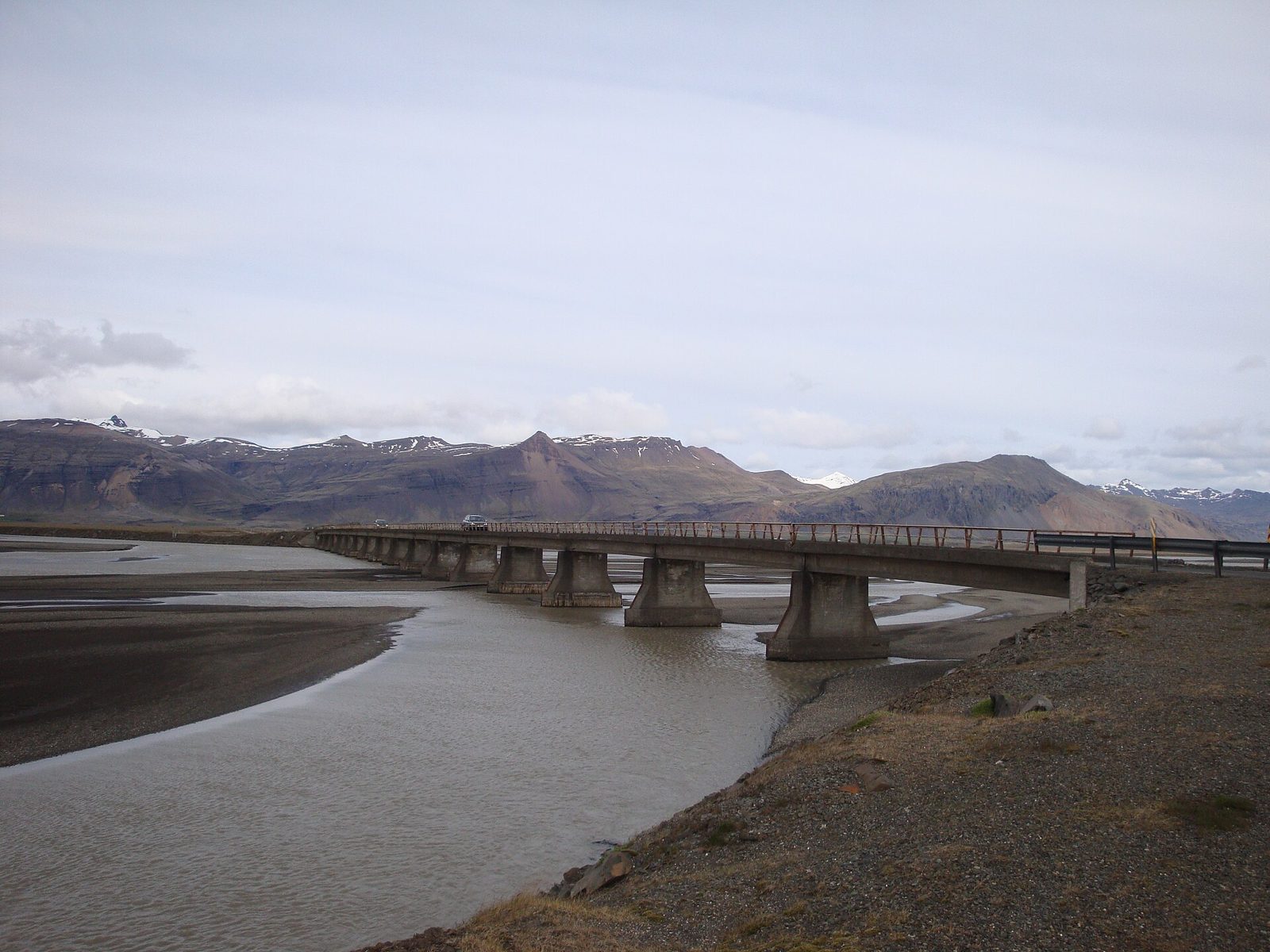
| Single-lane bridges | The vehicle that arrives first crosses first; when in doubt, yield. Slow right down on approach - many have blind approaches. |
| Stopping on roads | Stopping on the roadway or shoulder to photograph is prohibited and dangerous. Use marked pull-outs and parking areas. |
| Winter equipment | Studded tyres are permitted only from 1 November to 14 April; winter tread minimum is 3.0 mm (1.6 mm in summer). |
Alcohol: The Limit Most Guides Get Wrong
Iceland lowered its drink-driving threshold when the current Traffic Act took effect on 1 January 2020: a driver with 0.2‰ blood alcohol (0.02% BAC) or more is deemed incapable of driving safely, down from the old 0.5‰, with criminal penalties applying from 0.5‰. Many travel guides still quote 0.05%. In practice the distinction does not matter: one drink can put you over the 0.2‰ line, so the working rule in Iceland is simply that drivers do not drink.
The Two Local Conventions Worth Rehearsing
Roundabouts: on two-lane roundabouts the inner lane has right of way when exiting - a rule that surprises almost every foreign driver. Take the inner lane when going more than halfway around, and from the outer lane always yield to a car exiting from inside. Single-lane bridges ("Einbreið brú" signs): whoever arrives first crosses first, and the many blind approaches on the south and east Ring Road reward slowing to a crawl. Neither convention is enforced by lights or barriers; both run on attentiveness.
Seasons Change The Rules
Studded tyres are legal only from 1 November to 14 April, and winter tread depth minimum is 3.0 mm against 1.6 mm in summer. Rental cars come correctly equipped for the season, but if you drive your own or a borrowed car, the dates are yours to respect. Winter also changes the practical rules faster than the legal ones - see our winter driving guide for conditions, closures and technique.
Off-Road: The Expensive Mistake
Driving off marked roads and tracks is illegal everywhere in Iceland, on every surface including sand and snow, because tyre scars in moss and volcanic soil persist for decades. Fines reach 500,000 ISK and can go higher in protected areas, with criminal liability in serious cases. The same logic covers stopping: pulling onto the roadway or a blind shoulder for photographs is prohibited and a frequent cause of accidents - marked pull-outs exist for exactly this.
Related Guides
The driving hub puts these rules in context, the road conditions guide covers the checking routine before each drive, and the car rental guide explains what your insurance does and does not forgive. Highland driving adds rules of its own - including a 4×4 requirement that comes from your rental contract rather than from traffic law - covered in the F-roads guide.
Frequently Asked Questions
Which Side Of The Road Does Iceland Drive On?
The right-hand side, as in mainland Europe and North America, with overtaking on the left. Cars are left-hand drive. Visitors from the UK, Ireland, Australia and Japan should take particular care at junctions, on single-lane bridges and when pulling out of car parks until driving on the right feels natural.
What Is The Alcohol Limit For Driving In Iceland?
Effectively zero. Since 1 January 2020, under the Traffic Act No. 77/2019, a driver with 0.2‰ blood alcohol (0.02% BAC) or more is deemed unable to drive safely - a threshold one small drink can exceed. Criminal penalties apply from 0.5‰. Many guides still quote the old 0.05% limit, which was lowered when the 2019 law took effect. The practical rule: if you have had any alcohol, do not drive.
What Are The Speed Limits In Iceland?
The general limits are 50 km/h in built-up areas (often 30 km/h in residential zones and near schools), 80 km/h on gravel roads and 90 km/h on paved rural roads, including most of the Ring Road. Posted signs override these defaults. Enforcement is active, with fixed speed cameras, average-speed sections in tunnels, and substantial fines.
How Do Iceland's Roundabouts Work?
Differently from most countries, on multi-lane roundabouts: the inner (left) lane has the right of way when exiting, so a car in the inner lane may cross your path as it leaves. Use the inner lane if you are going more than halfway around, the outer lane for the first exits, and always yield to the inner lane. Traffic already on any roundabout has priority over entering traffic.
What Are The Rules At Single-Lane Bridges?
Iceland still has many single-lane bridges, marked with an "Einbreið brú" sign, especially on the south and east Ring Road. The convention is that the vehicle arriving first crosses first; if arrivals are close, the nearer vehicle usually proceeds and the other yields. Slow down well before the bridge, check for oncoming traffic, and never assume the other driver will stop.
How Big Are The Fines For Driving Off-Road?
Driving off marked roads and tracks is illegal everywhere in Iceland because the vegetation and volcanic soils scar for decades. Fines run up to 500,000 ISK, can go higher in protected areas, and serious cases can bring criminal liability. The ban applies to all vehicles including 4×4s, quads and e-bikes, on sand, gravel and snow alike - a closed or unmarked shortcut is never legal.
Sources
Checked against the Traffic Act No. 77/2019 (Umferðarlög), the Icelandic Transport Authority (Samgöngustofa) and SafeTravel Iceland, in July 2026. Fixed fine amounts are adjusted periodically; treat figures as indicative and the prohibitions as absolute.
Last updated: 2026-08-02 · Reviewed against official sources.