Iceland in November
November is when Iceland commits to winter - and when winter's rewards open for business. The northern-lights season hits its long-darkness peak, the blue ice caves under Vatnajökull begin running, Reykjavík fills with music for Iceland Airwaves, and prices and crowds drop to their lowest. The bill for all this: about five to eight hours of daylight, a monthly mean around 2 °C, and weather that must be planned around, not through.
Weather And Daylight
Reykjavík averages roughly 2 °C across November, with typical days near 5 °C and nights at freezing - and the month usually delivers the first lowland snow that stays, alongside rain, sleet and proper gales. Daylight is the defining constraint: about eight hours on 1 November, five by the 30th, with late-month sunrises after 10:00. The workable pattern is a compact sightseeing day through the bright middle hours, with mornings and evenings for pools, food and the sky.
Aurora: The Peak Begins
From November through January, Iceland offers its longest dark skies - fourteen to almost seventeen hours a night in November, in which any clear window can produce a display. The catch is cloud on any given night rather than in the month as a whole - Reykjavík's average cloud cover is in fact slightly lower in November than in the other aurora months - so the successful strategy is mobility and patience - several nights minimum, nightly checks of the aurora and cloud forecast at en.vedur.is, and a willingness to drive to the gap. A hot-spring soak while you wait (our directory has year-round options) remains the civilised way to hunt. Our northern lights guide compares every month.
Ice Caves: The Season Opens
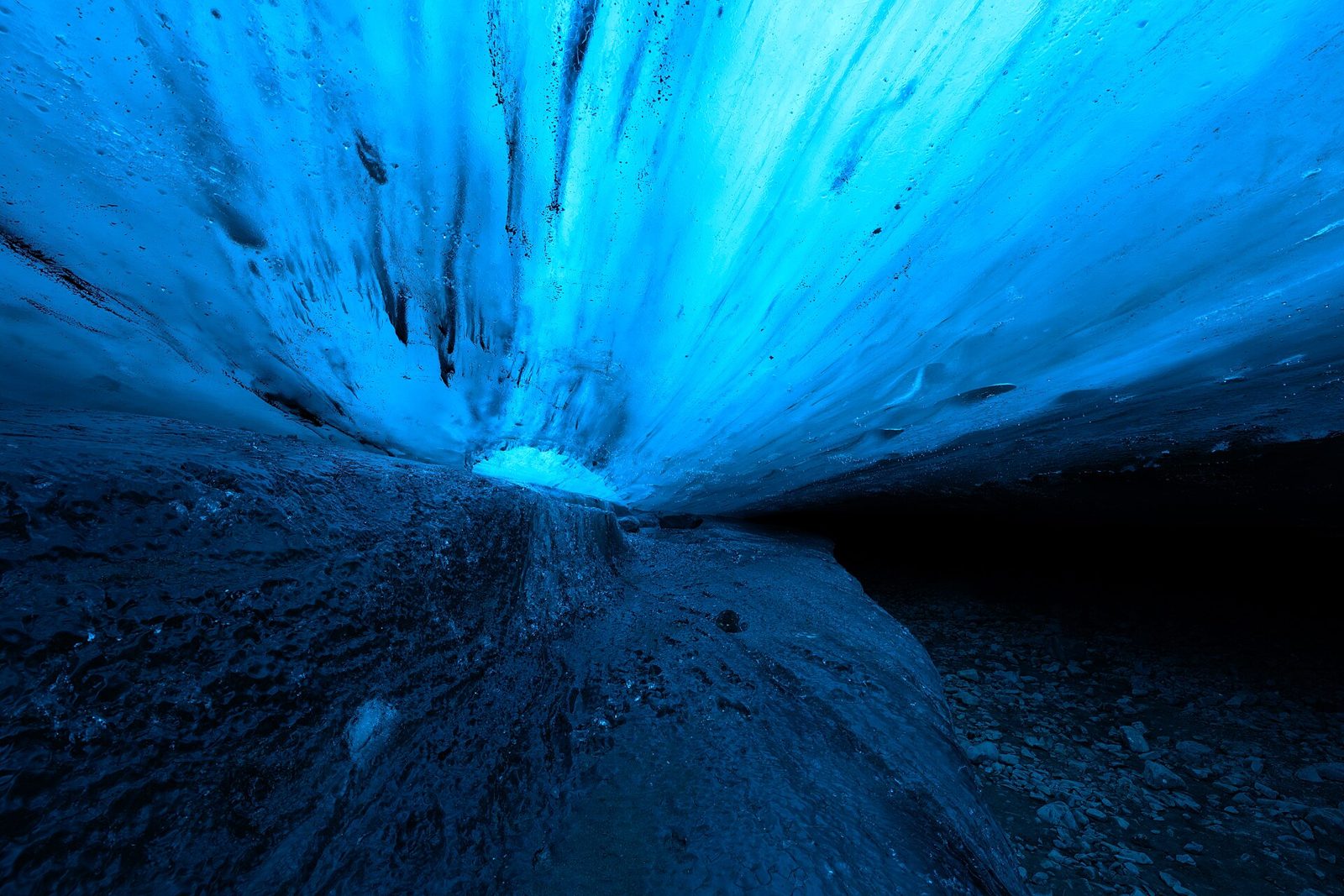
November restores the experience October only teased: the naturally formed blue ice caves under Vatnajökull stabilise and open from early in the month, running to around March. The Katla cave near Vík is marketed as year-round, though it sits outside the national park so those rules do not apply to it; Langjökull's man-made tunnel genuinely is year-round. All are guide-only - caves shift every year as the glacier moves, and operators scout and certify them each season - so book a tour from Jökulsárlón or Vík rather than planning a walk-in.
Airwaves And A City That Glows
Iceland Airwaves takes over Reykjavík on 5–7 November 2026, with special events at Harpa bookending it on the 4th and 8th - "November 4, 5-7, 8", as the festival itself puts it - packing venues from concert halls to bookshops with Icelandic and international acts. It is the city's liveliest week of the low season, and central accommodation books out around it. The Imagine Peace Tower on Viðey keeps its column of light in the sky nightly until 8 December, and by late November the Christmas lights and first festival markets begin - Reykjavík does darkness well.
Airwaves is one of the firmest dates in the Icelandic calendar - the festival publishes it itself. Our festivals and events calendar shows how much of the rest of the year is that certain, and how much is still unannounced.
Driving In November
Treat November as full winter: snow and ice on the roads, storms that close them, and short days that compress driving windows. Studded tyres become legal on 1 November - rental cars come winter-shod - and a 4×4 is the sensible default. The proven low-season pattern is a south-west base with day trips (Golden Circle, south coast, Reykjanes) rather than a lap of the Ring Road, which in November demands experience and slack. Before anything, read the winter driving guide and make umferdin.is plus the forecast your morning ritual.
What You Will Miss
The highlands are locked until late June, puffins are long gone, and whale-watching thins to the year-round Reykjavík boats. Daylight-hungry itineraries - Westfjords loops, highland hikes, long photography drives - belong to other months; see the seasonal overview to match ambitions to dates. November rewards travellers who come for the dark, not despite it. For a gentler version of the same season, compare Iceland in October.
Frequently Asked Questions
Is November A Good Month To See The Northern Lights In Iceland?
One of the three best, with December and January. Nights give fourteen to almost seventeen hours of darkness, so any clear spell is an opportunity, and multi-night stays hedge the weather well. Cloud is the variable - not because November is cloudier than other months (Met Office averages put it level with October as Reykjavík's least cloudy month of the season), but because any night can be overcast - so success is about mobility: watch the cloud map and aurora forecast at en.vedur.is and drive to clear sky rather than waiting under overcast.
What Is The Weather Like In Iceland In November?
The first full winter month. Reykjavík averages about 2 °C, with typical daytime highs near 5 °C and nights around freezing; the month usually brings the first lasting lowland snow, plus rain, sleet and gales in any combination. Weather changes fast and storms can shut roads. Pack proper winter layers, waterproofs, and traction spikes for icy pavements - and build slack into every plan.
How Much Daylight Does Iceland Have In November?
Around eight hours at the start of the month, shrinking to about five by the 30th, with the sun rising after 10:00 late in the month. That is still enough for a full sightseeing day if you plan around it - breakfast in the dark, sights through the bright middle hours, and evenings for pools, restaurants and aurora hunting. The low sun also makes for hours of golden light that photographers travel for.
Are Ice Caves Open In November?
Yes - November is when the season proper begins. The blue ice caves under Vatnajökull are typically stable and running from early November through March. That is the operating season; the regulated window in Vatnajökull National Park is wider, October to April, and was tightened after a fatal collapse in August 2024. The Katla cave near Vík is marketed as year-round, but it lies outside the national park so those rules do not apply to it; the man-made tunnel in Langjökull genuinely is year-round. Caves are visitable only with certified guides, and individual caves vary year to year as the glacier reshapes them; book tours rather than expecting to walk in.
What Is Iceland Airwaves?
Reykjavík's signature music festival: several days each November when the city's venues - clubs, churches, record shops, living rooms - fill with Icelandic and international acts. The 2026 core programme runs 5–7 November, bookended by special events at Harpa on 4 and 8 November (the festival bills itself as "November 4, 5-7, 8"). Accommodation in central Reykjavík books out around it, so reserve early if your dates overlap - or lean in and combine the festival with aurora season.
Is Driving In Iceland In November Difficult?
It is real winter driving and should be planned as such: snow, ice, short days and storms that close roads, especially in the north and east. A 4×4 on winter tyres (studded tyres are legal from 1 November) is the sensible default, and daily checks of umferdin.is and the forecast are non-negotiable. Many November visitors skip the full Ring Road and base themselves in the south-west, doing day trips - a strategy that fits the daylight, the roads and the aurora hunt equally well.
Sources
Temperatures rounded from Icelandic Met Office climate data; daylight figures calculated for Reykjavík. Iceland Airwaves 2026 dates from icelandairwaves.is; Imagine Peace Tower dates from imaginepeacetower.com; road status via umferdin.is. Checked August 2026. First snow and ice-cave openings vary by year - confirm current conditions when you travel.
Last updated: 2026-10-01 · Reviewed against official sources.